Materials · May 2026 · 5 min read
How to write a director's statement programmers actually read
Most director's statements are forgettable because they do the wrong job. A reliable opening-line structure and the personal-fact rule that lifts every statement.
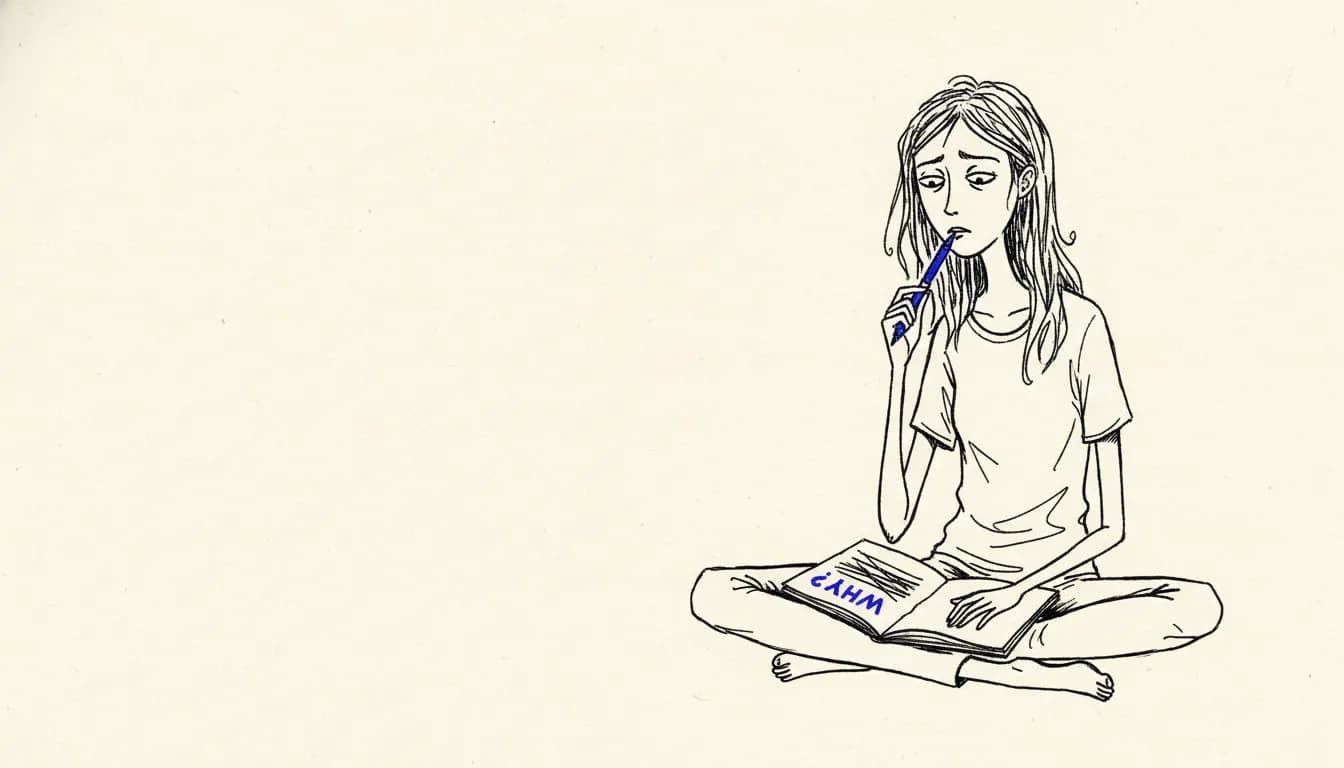
Most director's statements are forgettable because they do the wrong job. The filmmaker treats it as a second synopsis, a description of the film, rephrased. The programmer reads it and learns nothing they did not already know from the logline. The statement adds zero information and gets skimmed in three seconds.
A great director's statement does a different job entirely: it answers the question why only this director could have made this film.
The job of a director's statement
Programmers read a director's statement for one reason: to understand whether there is a real filmmaker behind the film. They already know what the film is about, the logline and synopsis told them. What they cannot tell from those is whether the director has genuine authorship, a distinctive voice, a reason for making this particular film at this particular moment. That is what the statement is for.
What it should contain
A strong director's statement does most of these things:
- Why this film, why now. What made you decide to make this film rather than a dozen other ideas you had.
- A personal connection. What in your own life, your own questions, or your own relationship to the subject made you the person who could tell this story.
- A specific craft choice. One formal decision you made, a framing, a structural choice, a sound design approach, and why you made it.
- A hint of your next work. What this film opens up in your practice.
The opening line structure that works
The opening line of a director's statement determines whether the programmer keeps reading. Generic openings are instant skim triggers. Here are three patterns that consistently work:
Pattern 1, the question that started it. “I started writing this film after watching my grandmother fail to recognise me for the first time.” Immediately personal, immediately specific, immediately answers “why you”.
Pattern 2, the formal choice that defines it. “I decided to shoot this entire film on 16mm, in one location, without coverage, because I wanted the audience to feel the confinement the way my brother described it to me.” Shows craft consciousness and reveals motivation in the same sentence.
Pattern 3, the tension or contradiction. “This is a film about a woman I loved and could not understand, and I made it to keep looking.” Opens with an emotional complication that gives the programmer something to hold onto.
What all three have in common: they are specific, they are personal, and they reveal something you would not otherwise know from the synopsis. The worst opening line is any variation of “This is a film about...” followed by a paraphrase of the synopsis.
Length, tone, and voice
Target 150 to 250 words. Any shorter and it feels undercooked. Any longer and it gets skimmed. Write in your own voice, not in “director voice”. Programmers read hundreds of these and can smell the generic register from a mile away. It is okay to sound like a real person. It is actively good to sound like a real person.
Avoid academic jargon. Avoid industry clichés (“bold new voice”, “unflinching gaze”, “raw and visceral”). These phrases are invisible to programmers, they have read them 10,000 times and no longer register. Replace every cliché with something concrete.
The rewrite framework
When I help filmmakers edit a weak statement, I use four passes:
- Pass 1: Cut every sentence that restates the synopsis. These are dead weight.
- Pass 2: Replace every abstract claim with a specific detail. “I was drawn to this subject” becomes “I watched my father's hands shake for the first time in 2019”.
- Pass 3: Replace every cliché with a concrete description. “An unflinching look at” becomes “a single take from 40 feet”.
- Pass 4: Check that the opening line answers “why you”. If it does not, rewrite it until it does.
How FilmRun helps
FilmRun's programmer and juror intelligence tells you who reads submissions at each festival and what they tend to respond to, so you can pitch your statement at the actual reader instead of a generic panel. Pair that with the full AI festival strategy and you know exactly which festivals your film fits before you write a word.
Frequently asked questions
What is a director's statement for a film festival?
A director's statement is a short piece that tells a festival programmer why only you could have made this film. It is not a second synopsis. Programmers already know what the film is about from the logline, so the statement exists to show there is a real filmmaker with genuine authorship and a distinctive voice behind the work.
How long should a director's statement be?
Aim for roughly 150 to 250 words. Any shorter and it tends to feel undercooked, and any longer and it gets skimmed. Write in your own voice rather than a generic director voice, because programmers read hundreds of these and can spot the generic register quickly.
How do you write the opening line of a director's statement?
The opening line decides whether the programmer keeps reading, so make it specific, personal, and revealing of something the synopsis does not already say. Reliable patterns include the question that started the film, the formal choice that defines it, or the tension or contradiction at its heart. Avoid any variation of "This is a film about..." followed by a paraphrase of the synopsis.
What should a director's statement avoid?
Avoid restating the synopsis, academic jargon, and industry cliches such as "bold new voice" or "unflinching gaze", which are invisible to programmers who have read them countless times. Replace abstract claims with specific details and replace every cliche with a concrete description. A useful test is checking that the opening line answers why you, and rewriting it until it does.
Related
Know the reader before you write
FilmRun's programmer and juror intelligence shows you who programmes each festival and what they tend to pick. The Film Pass is a one-off £23 per film, and it never expires.