The Ultimate Guide to
the Film Festival Circuit
48 short guides on strategy, materials, and festivals.
Start here
Read these three first, in order.
 1
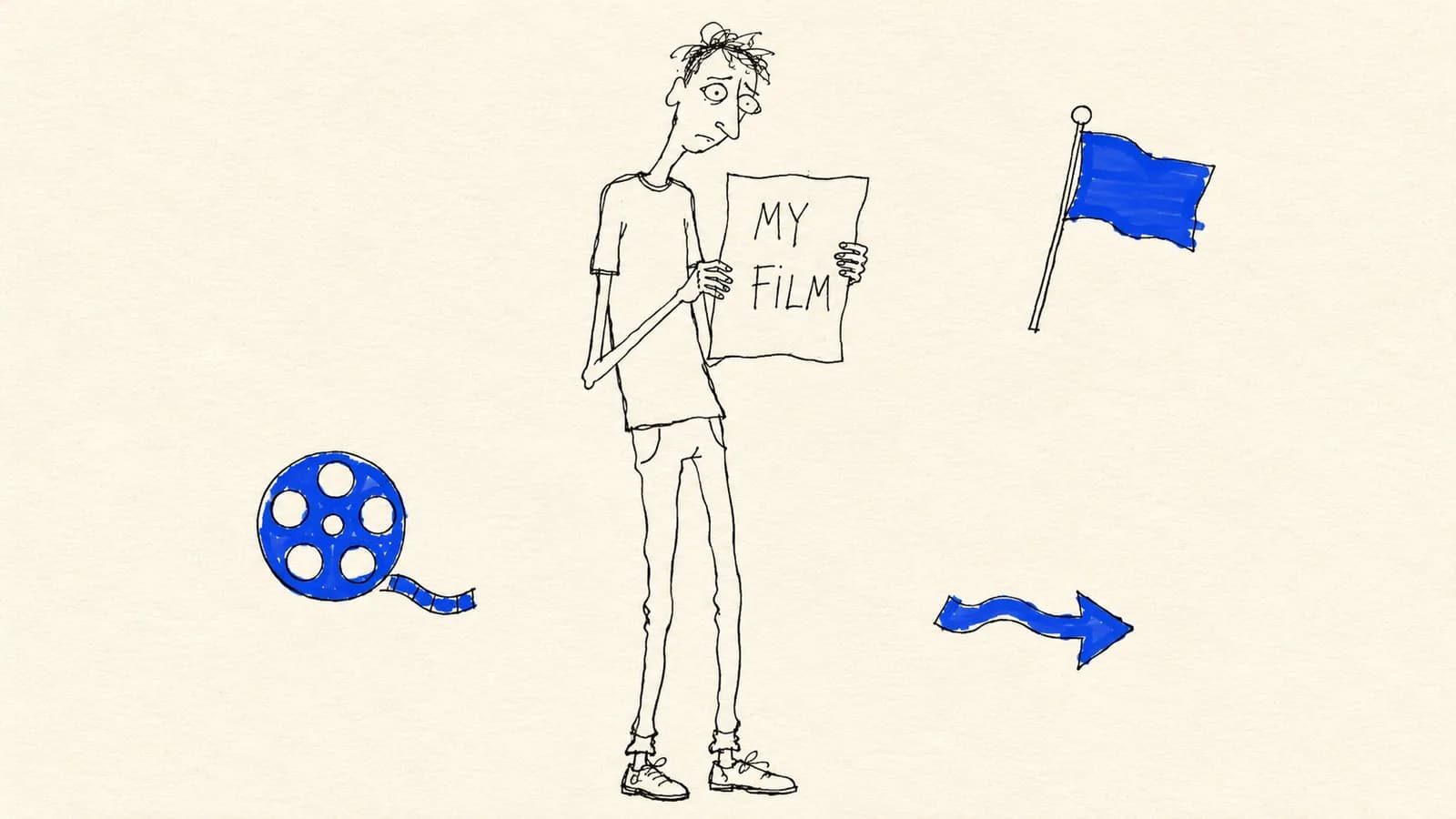
1Festival strategy for your first short film
Most first films get scattered across 40 festivals and fade. There's a tighter number, and an order of operations that protects the one thing you can't get back.
9 min readRead
 2
2World premiere strategy: how not to burn yours
You get exactly one, and most filmmakers spend it by accident. The hierarchy, and the single rule that keeps yours intact.
6 min readRead
 3
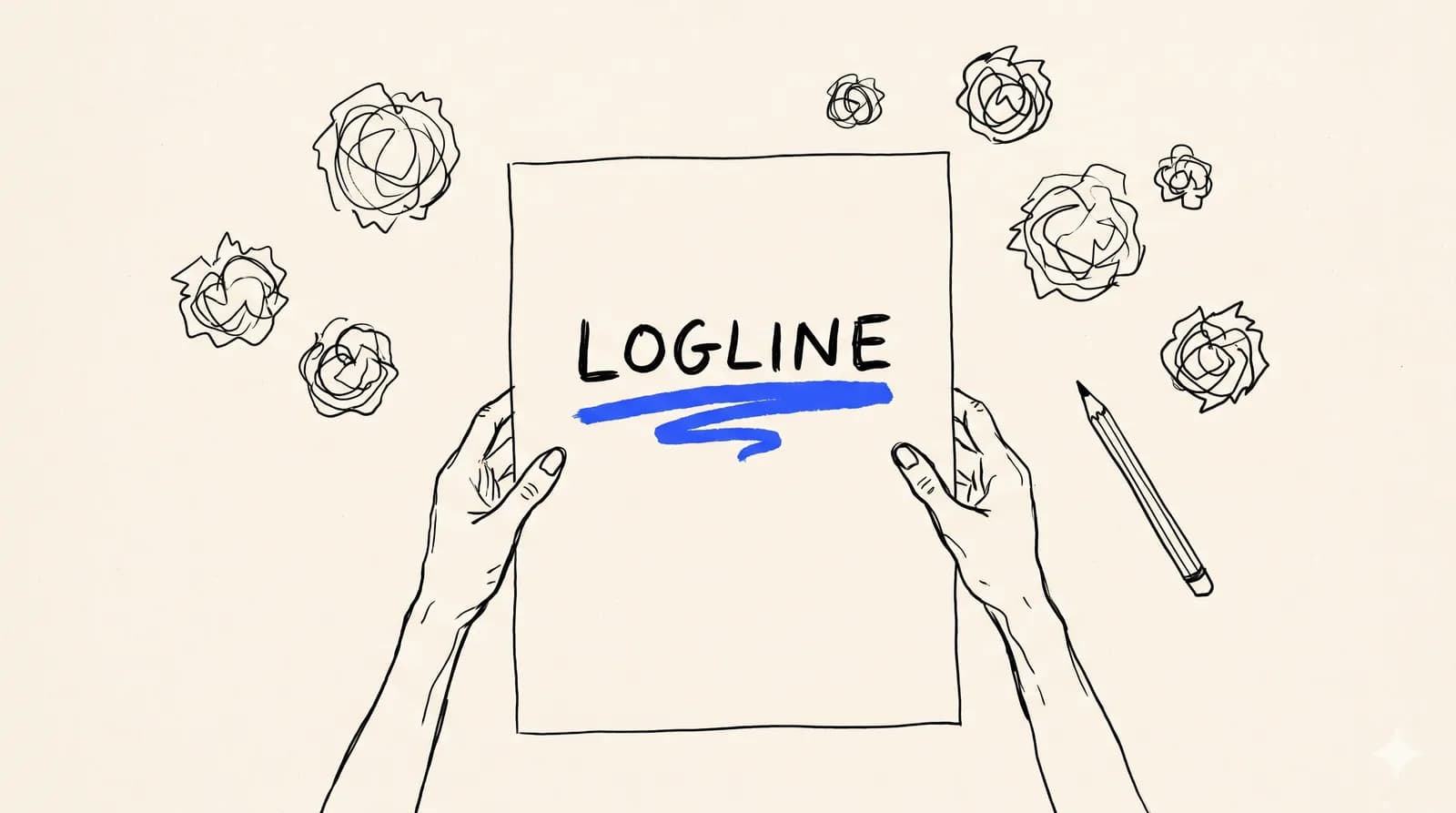
3How to write a logline
Most loglines lose the reader in the first seven words. Here are the three things every working one does instead.
6 min readRead
Strategy
Pick the festivals, plan the campaign.

How many festivals should you submit to?
The instinct is as many as possible. The number that actually works is far smaller, and your budget will thank you for it.
6 min readRead

How to choose festivals worth your entry fee
Tier lists won't tell you where your fee is wasted. Three questions will, before you spend a penny.
7 min readRead
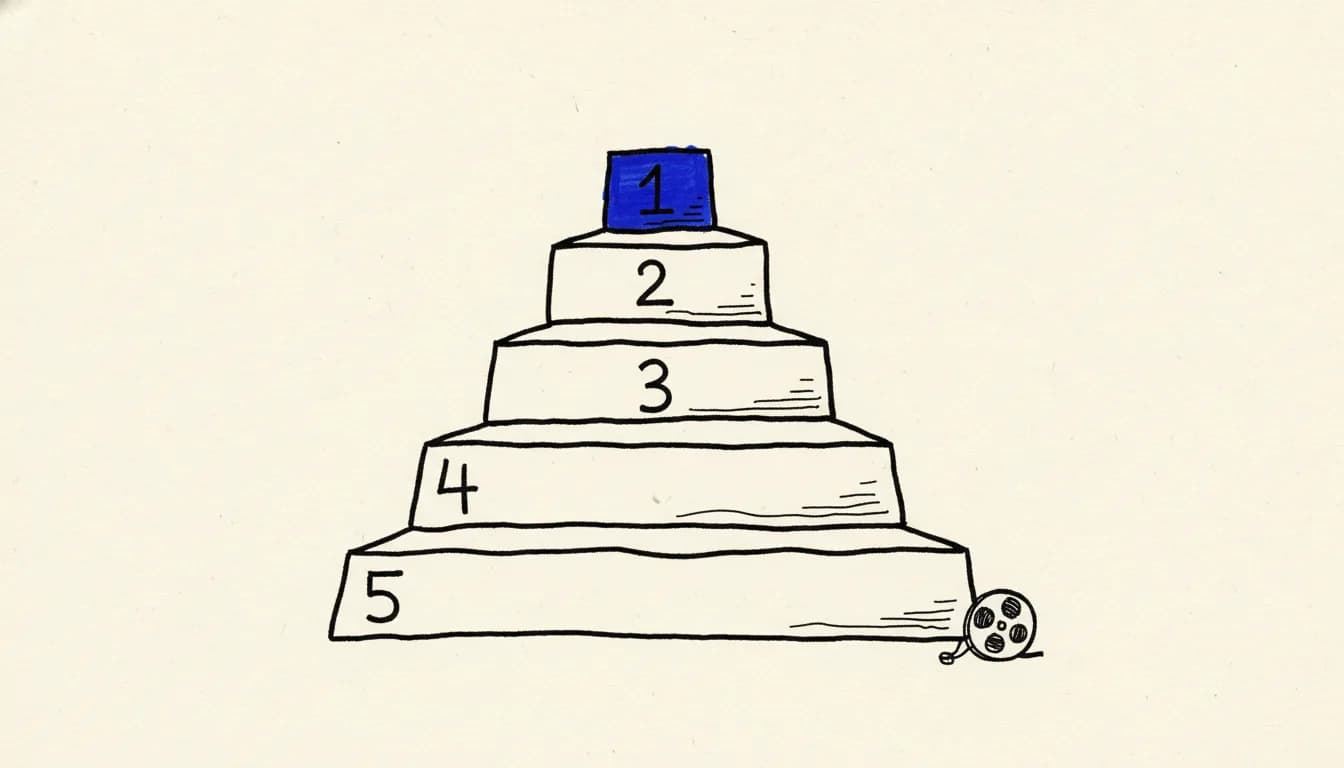
Festival tiers explained
FIAPF accreditation and the prestige everyone talks about are not the same thing, and confusing them buys you the wrong submissions.
7 min readRead

What it costs to attend your own premiere
The entry fee is the cheap part. It's the cost stack after the yes that ambushes most filmmakers.
6 min readRead
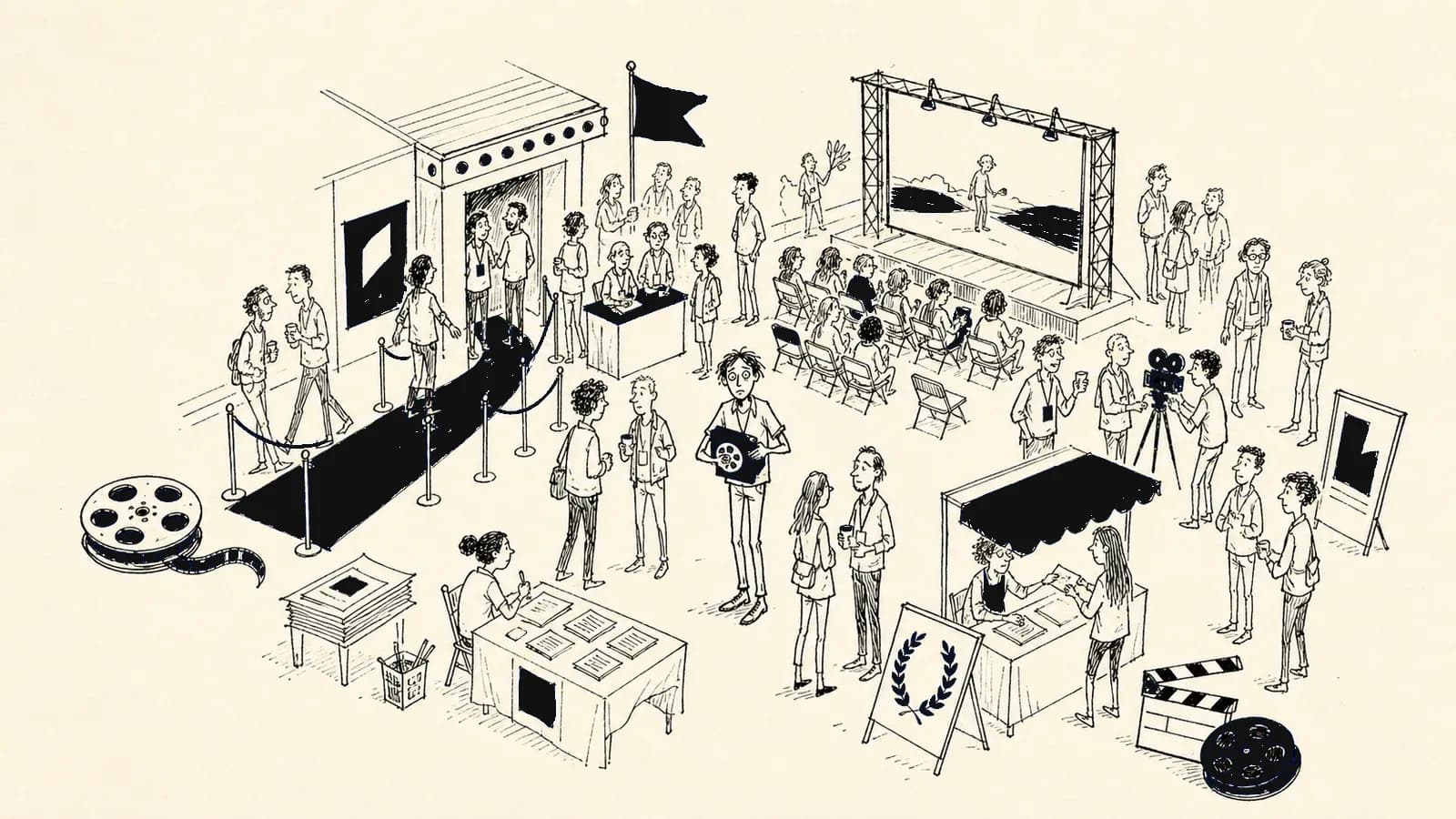
FIAPF accreditation and the 2026 A-list reform
In March 2026 FIAPF rebuilt the only official festival ranking that exists. Here is what changed, and why it matters less than you think.
7 min readRead
How to build a film festival strategy
A festival strategy is five decisions made in the right order. Make them out of order and you burn your premiere, your budget, or both.
10 min readRead
What is a film festival?
The plain definition, how festivals actually work, and why getting into the right ones can change a film's life.
6 min readRead
What is a world premiere?
The first public screening of your film anywhere. It is a one-time resource, and the whole premiere hierarchy hangs off it.
6 min readRead
What is a film festival strategy?
The deliberate plan for where your film goes, in what order, and why. The difference between a campaign and a scattergun.
6 min readRead
Awards
BAFTA, Oscar, BIFA, Canadian Screen Award routes.
Every BAFTA-qualifying festival for shorts (2026)
Not every BAFTA festival qualifies you the same way. Some need a screening, some need a win, and the list tells you which is which.
8 min readRead
Oscar qualifying, explained
How a short or a feature actually becomes Academy Award eligible, broken down by route, for the 98th and 99th cycles.
9 min readRead
Materials
Logline, synopsis, EPK, captions.
How to write a film synopsis
One structure covers both the 100 and 400-word versions, and the festival cut deliberately breaks a rule you were taught to follow.
7 min readRead
What programmers read in the first 90 seconds
A programmer decides whether to keep watching in about 90 seconds. Three things they read first quietly settle it.
8 min readRead

How to write a director's statement
Most director's statements read identically. One opening structure and a single personal fact pull yours out of the pile.
5 min readRead
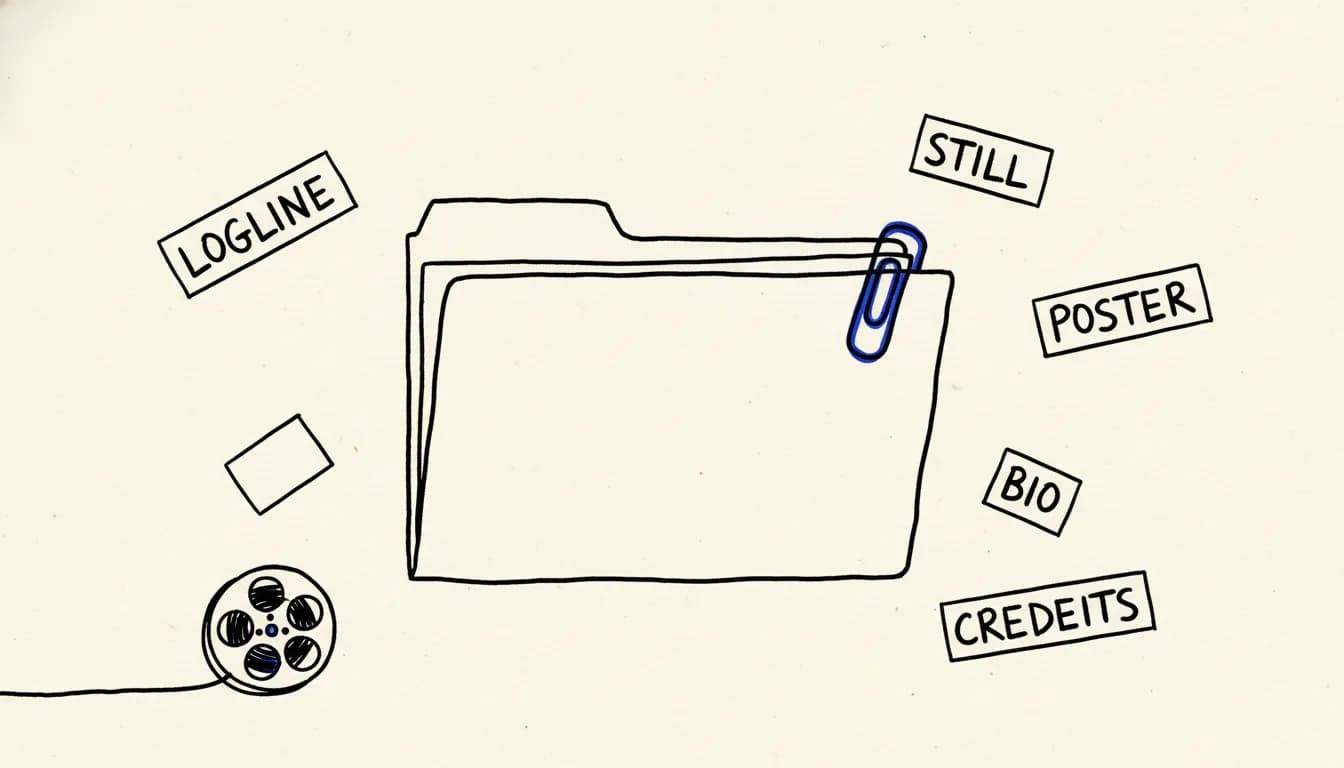
How to build an EPK
Seven assets make a press kit work, three quietly weaken it, and there's a moment to build it that most people miss.
8 min readRead
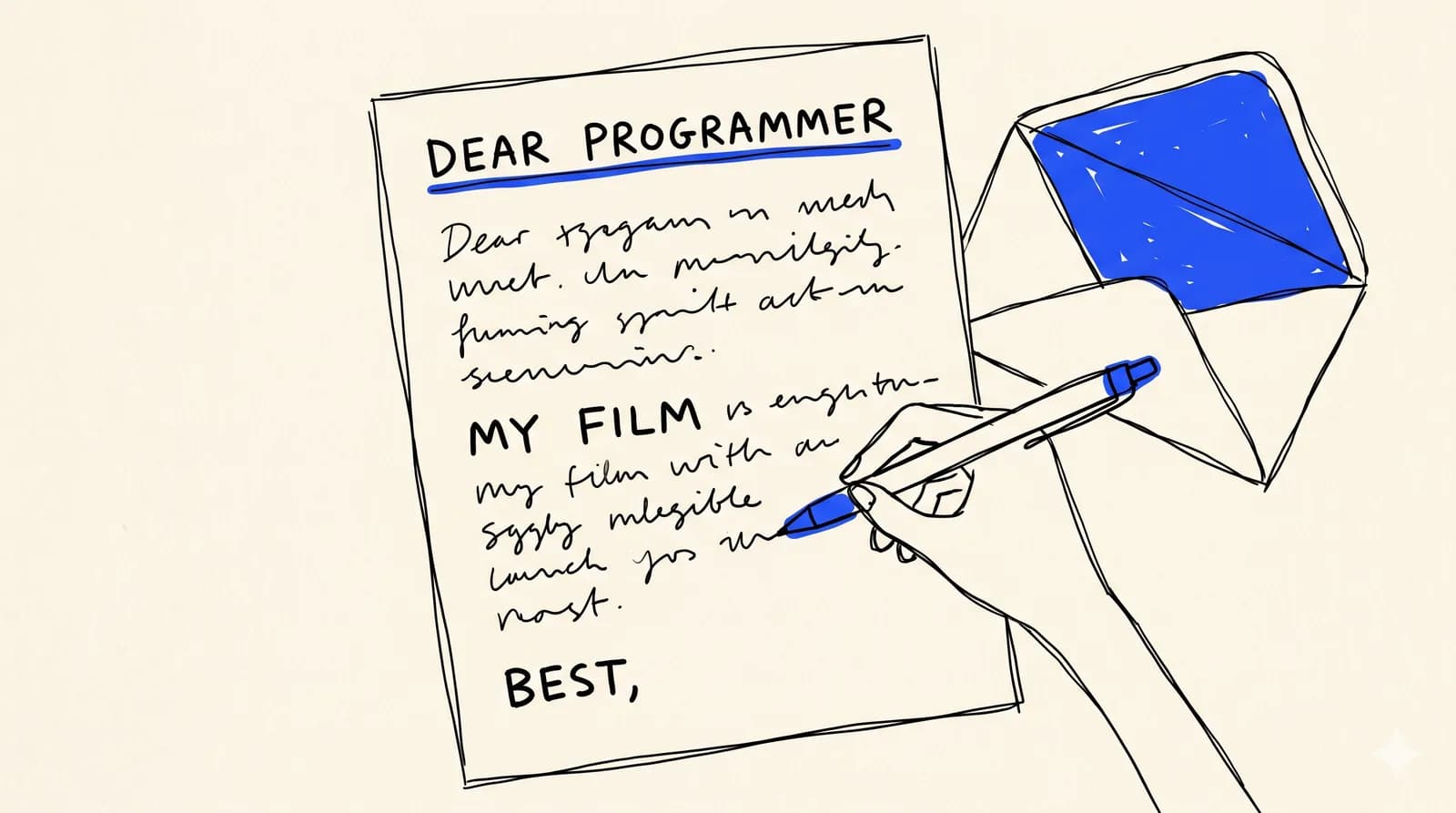
Festival cover letters that work
Three short paragraphs to the right named person, that somehow don't read like a template. Here's the one that lands.
5 min readRead
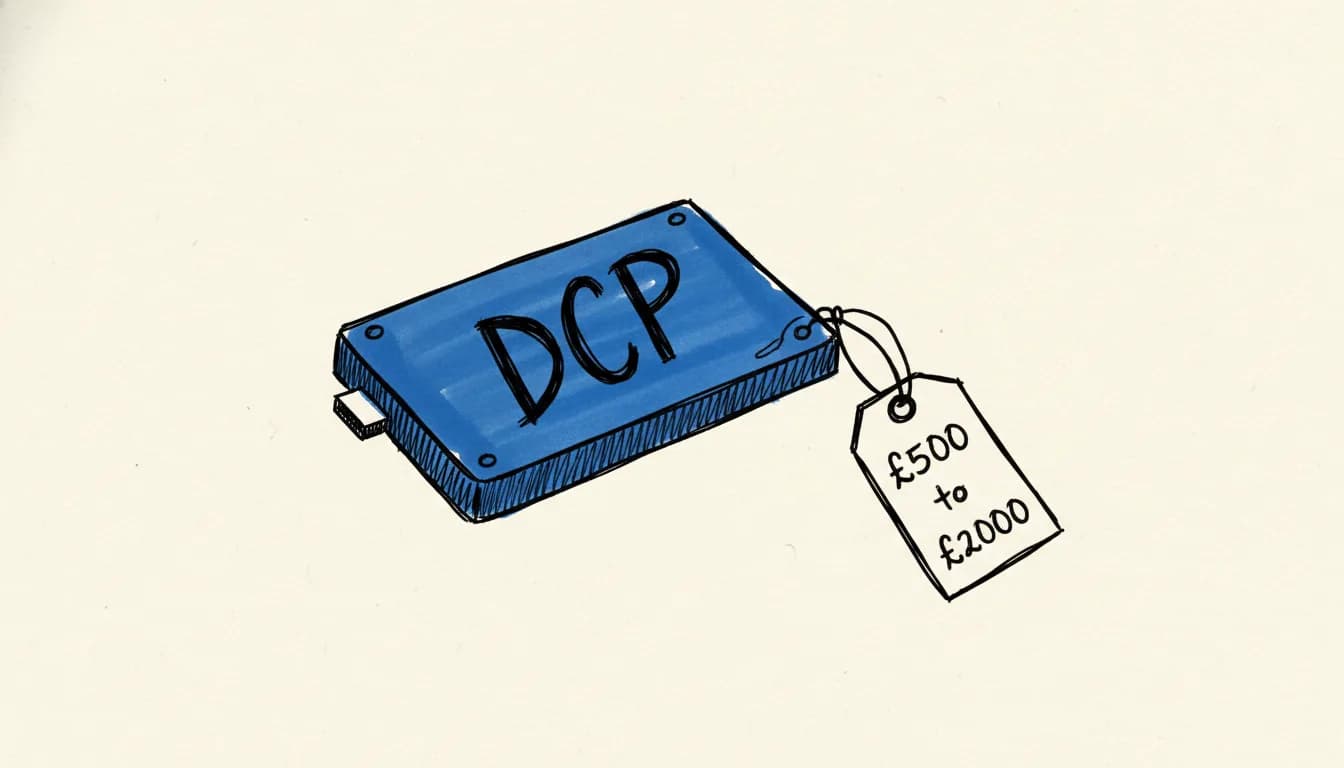
DCP delivery: what it is, what it costs
Festivals ask for a DCP at the worst possible moment. Know what drives the cost before the invoice does.
5 min readRead
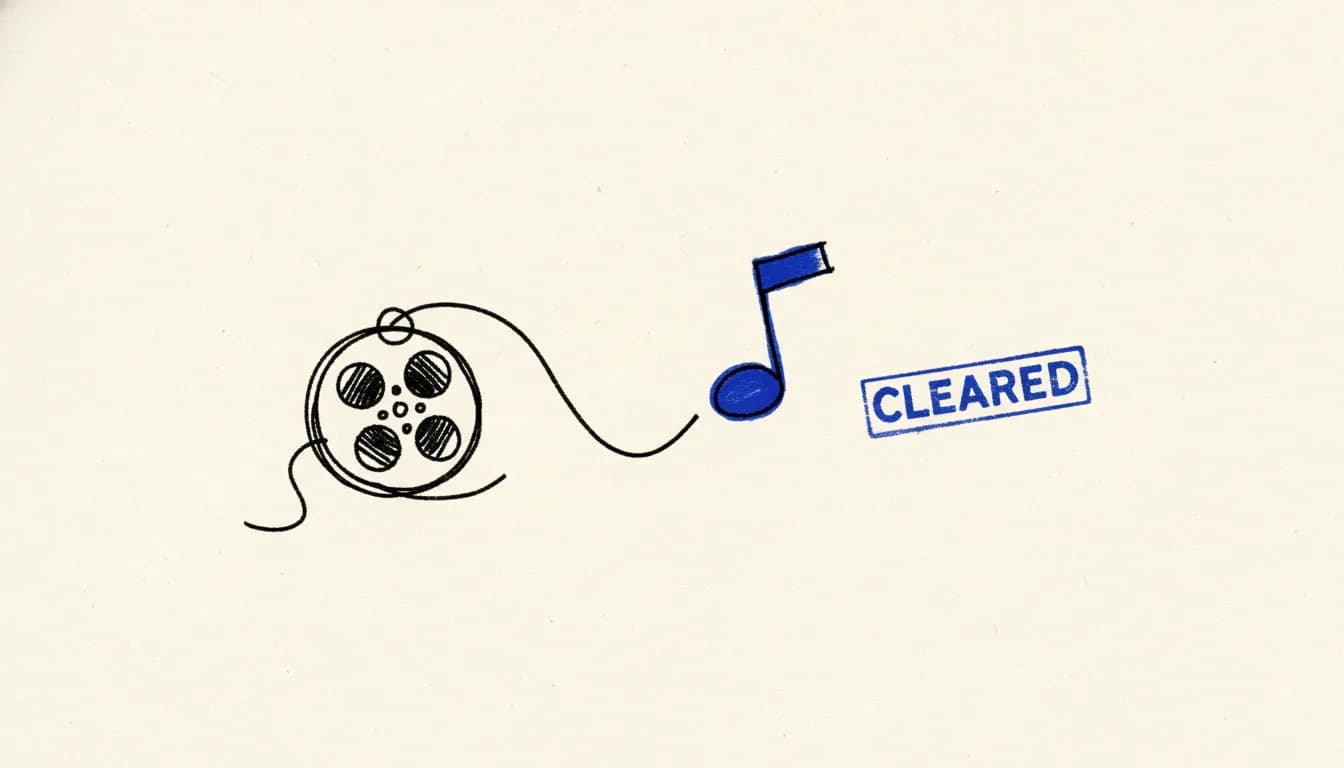
Music clearance for festivals
The track you love could pull your film from distribution later. There's a cheap interim path that keeps you safe.
7 min readRead

SDH and captions for festivals
Caption rules are tightening and they differ by festival. Leave SDH late and it stalls your delivery, here's how early to start.
6 min readRead
Disability access at film festivals
What festivals owe disabled filmmakers, what to ask for once you're invited, and what your film has to deliver in 2026.
9 min readRead
Festivals
How each major festival actually works.
How to get into Sundance
Sundance took 54 shorts out of thousands. Eligibility is the easy part, fit is what actually decides it.
8 min readRead

How to submit a film to Cannes
Cannes has a real public portal, and a set of eligibility rules that disqualify most films before they upload.
7 min readRead

How to submit to SXSW
A runtime line, a no-streaming rule, and one carve-out decide whether SXSW will even consider your film.
6 min readRead
Tribeca submissions
Tribeca is one of the rare festivals where premiering can help your awards run, once you understand its June slot.
7 min readRead
Berlinale submission guide
Berlinale's sections each play by different rules, and choosing the wrong one can waste your only shot.
8 min readRead
TIFF submission guide
FilmFreeway only, and a default premiere requirement that catches filmmakers out. Here's how to submit cleanly.
6 min readRead

Submitting to Sheffield DocFest
A top-three doc festival that's BAFTA-qualifying, and a clear read on what its programmers are actually looking for.
7 min readRead
Tactics
Submission mechanics and networking.

A first-timer's submission walkthrough
The five-asset package, where FilmFreeway stops being enough, and what really happens after you hit submit.
9 min readRead

FilmFreeway alternatives
FilmFreeway isn't always the right portal. Here's when Festhome, WFCN or a direct submission serves you better.
5 min readRead
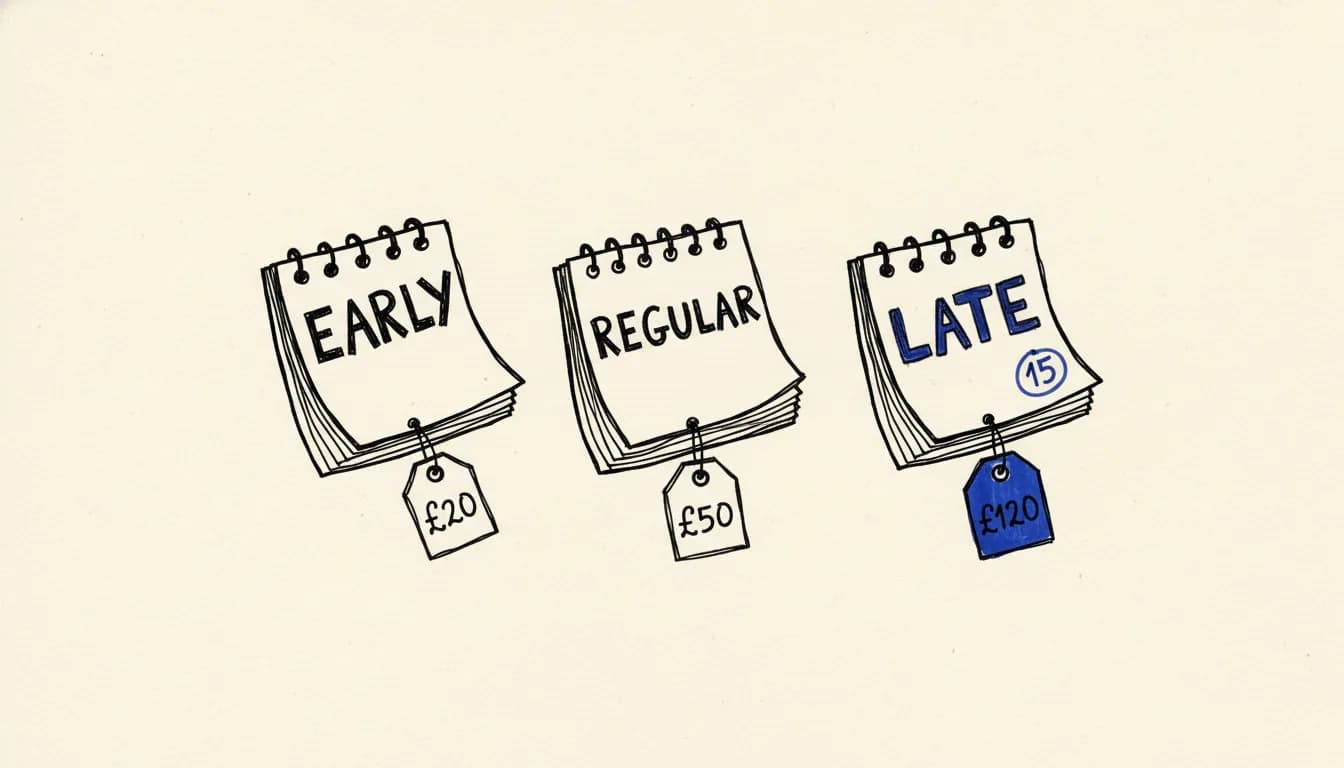
Early, regular, or late: deadline math
The early bird is sometimes a trap and the late fee is sometimes worth it. The rule of thumb that tells them apart.
6 min readRead
Screener links and watch tracking
Your screener can tell you which festivals watched, which skipped, and which never opened it. Here's how to read the signal.
6 min readRead

How to ask for a fee waiver
Waivers are real, rare, and never granted to filmmakers who plead poverty. The research-first script that actually works.
5 min readRead
How to use festival laurels
Thirty laurels on a poster read as desperate. One from the right festival does more, here's which to lead with.
5 min readRead

Do you need a publicist?
A publicist runs into five figures. There's a clear line between when that spend pays off and when it's wasted.
6 min readRead

How to meet distributors and sales agents
The party is the wrong room. The 30-second pitch and the follow-up that actually closes happen somewhere else.
7 min readRead
AI on the festival circuit (2026)
The big bodies have all moved this year. Here is what the rules actually say, and what a filmmaker who used AI tools should do about it.
6 min readRead
After submission
Rejection, Q and As, distribution.

Festival waitlist: what it actually means
Not a no, not a yes, and the obvious next move is the one that quietly costs most filmmakers the slot.
6 min readRead

What to do after a festival rejection
Rejection is the median outcome, even for strong films. What you do in the next week matters more than the no.
7 min readRead

How to nail your festival Q and A
Eight minutes on stage shapes your whole word-of-mouth. Two small habits separate a good Q and A from a forgettable one.
6 min readRead
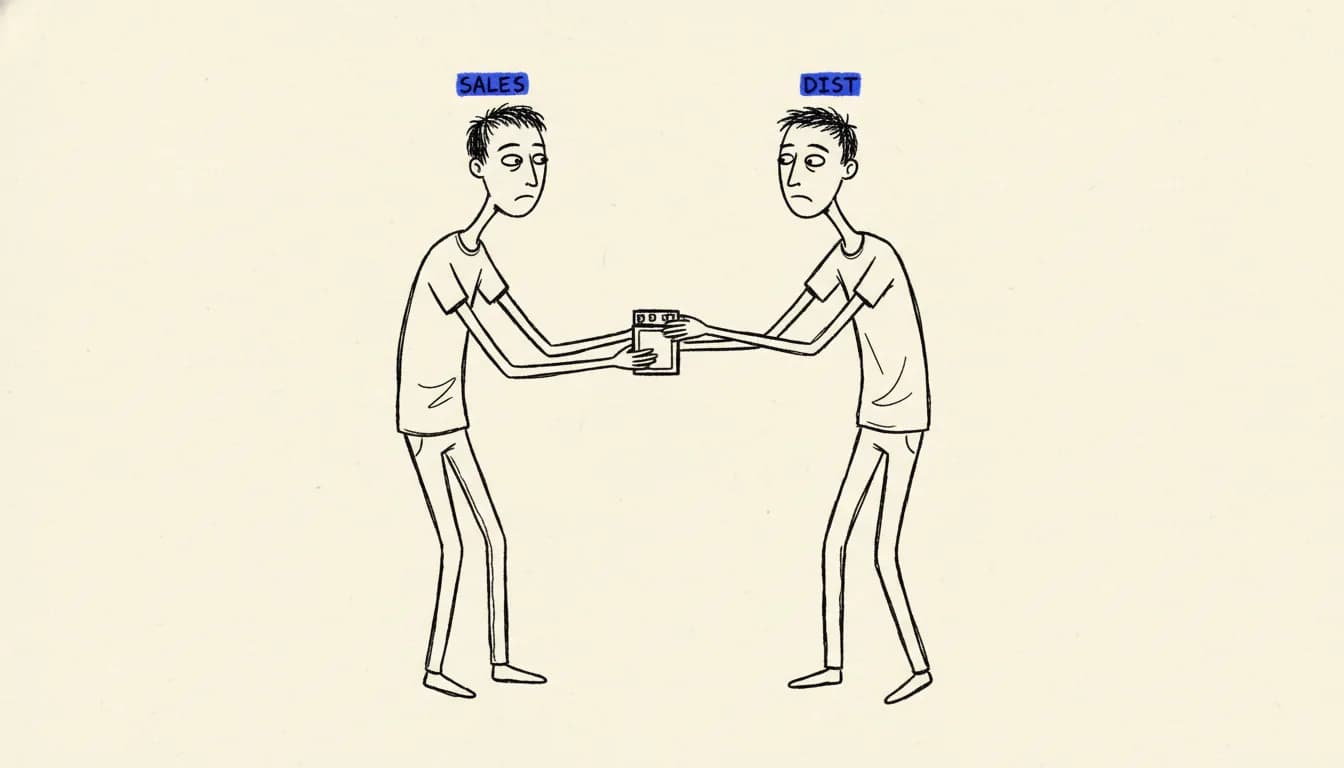
Sales agents vs distributors
They do opposite jobs, and pitching them in the wrong order can cost you a year. Here's which one comes first.
7 min readRead
Festival markets, and how a film actually sells
The festival is the showcase. The market running next door is where the money moves. Most first-time filmmakers only watch the first one.
8 min readRead
Compare
How FilmRun stacks up against other festival tools.

Best film festival strategy tools (2026)
Four tools, three different jobs. A fair comparison of FilmRun, FestForge, Festival Fixr and Hiike.
9 min readRead
FestForge alternative: FilmRun compared
FestForge and FilmRun do the same core job. Here is where they overlap, where they differ, and how to choose.
6 min readRead

Festival Fixr alternative: FilmRun compared
Festival Fixr is an AI chatbot you subscribe to. FilmRun is a full strategy app with no subscription. The honest difference.
6 min readRead
Hiike alternative: FilmRun compared
Hiike is where you submit. FilmRun is how you decide where to submit. How each one fits.
6 min readRead