Materials · May 2026 · 5 min read
DCP delivery for festivals: what it is, what it costs
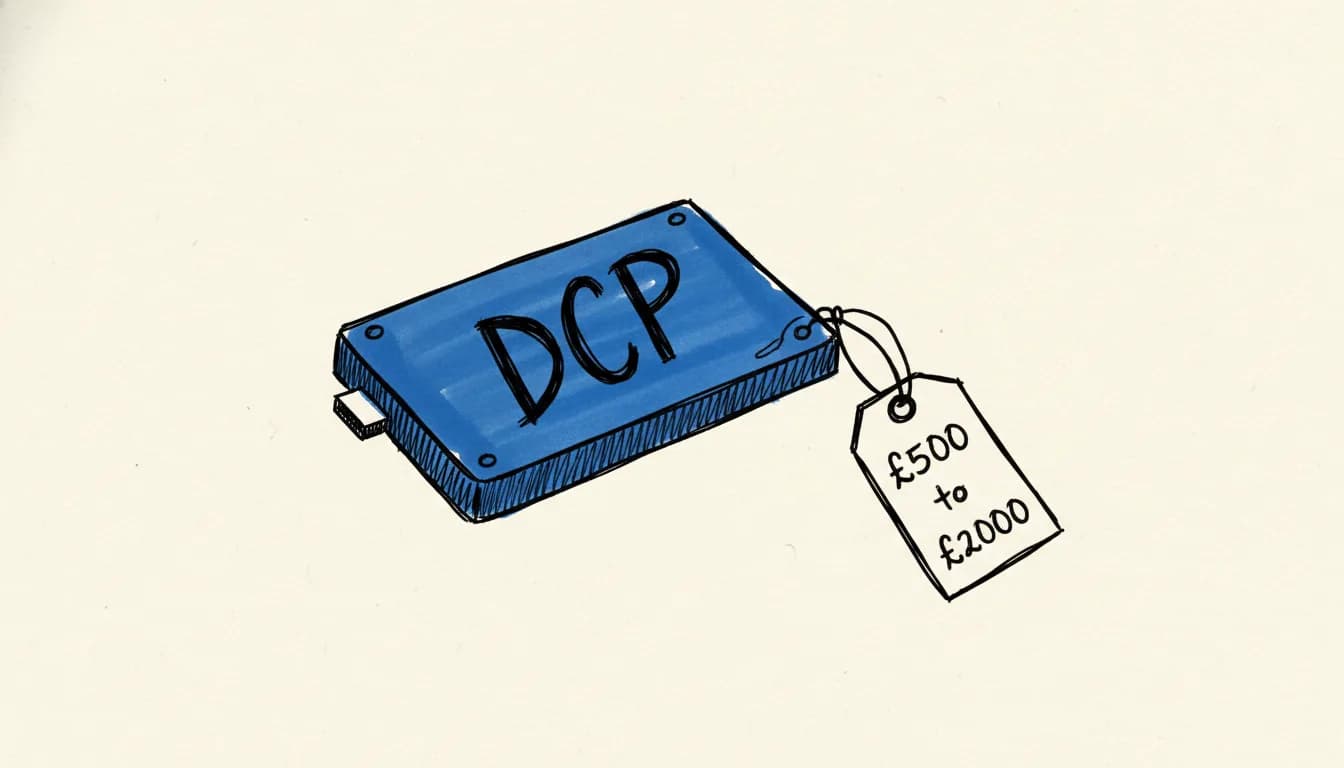
If your film gets selected, you may need a DCP. Costs vary by length, resolution, QC, turnaround, and vendor.
Getting accepted is when the real spending starts. A DCP for a feature can cost as much as several festival submission fees combined, and many filmmakers do not budget for it because it does not exist until the festival says yes.
What a DCP actually is
A Digital Cinema Package, or DCP, is the standard format cinemas use to project digital films. It is a folder of JPEG-2000 image files, uncompressed audio (typically 24-bit WAV, 48 kHz), and an XML schedule that tells the projector what to play in what order. The whole package lives on a hard drive that gets posted or handed to the festival's technical team.
Most tier 1 and many tier 2 festivals expect DCP delivery for theatrical screenings on acceptance. Some will accept ProRes 422 HQ, H.264, or another master as a fallback, but DCP is the cinema default and you should plan for it.
The cost, by film length
Pricing is usually quoted per finished minute, with a separate setup fee, and varies by 2K vs 4K resolution and turnaround speed.
- DIY (any length, 2K or 4K): free with DCP-o-matic, the open-source encoder. You pay only in time and a learning curve.
- Short film (under 10 minutes, 2K): from around £30 at budget UK vendors, often up to £100 depending on the service.
- Short film (10 to 25 minutes, 2K): roughly £50 to £150.
- Feature (90 minutes, 2K): around £350 to £600.
- Feature (90 minutes, 4K): roughly 1.5 to 1.6 times the 2K price, so around £550 to £950.
- Delivery drive: a plain USB 3 drive runs from around £40 plus VAT. A dedicated cinema CRU caddy (CRU DX115) is a different item, closer to £160 to £280, and only needed if the festival specifically asks for one. Add shipping on top.
These are planning ranges, not quotes, and pricing moves with length, resolution, QC, and turnaround. Get a current quote from your vendor before you budget. Rush turnaround can add a significant premium. Plan to deliver the DCP at least two weeks before your screening where possible, which means starting the encode and QC process earlier than feels comfortable.
The spec that the festival will ask for
When a festival accepts your film, they will send a technical delivery checklist. Expect questions like:
- 2K (2048x1080) or 4K (4096x2160), flat or scope aspect ratio
- 24, 25, or 48 frames per second
- 5.1 surround or stereo audio
- Subtitles and closed captions (separate files, usually XML)
- Encrypted (KDM required) or unencrypted
Encryption: usually skip it
DCPs can be encrypted, which means the festival needs a Key Delivery Message (KDM) generated for each specific projector and screening window. This is what major distributors do for theatrical releases. For festival submissions, unencrypted DCPs are the norm. Encrypted DCPs are slower to deliver, harder to test, and cause real problems when projectors fail at 10pm on a Saturday.
Skip encryption unless the festival specifically asks for it.
Where to make a DCP
Three options, in rising order of price and reliability:
- DIY with open-source tools. DCP-o-matic is free and works. Steep learning curve, takes a day to get right, and your first attempt will probably need a redo.
- Budget online services. UK vendors like Maniac Films and Funky Twig, or Pure DCP. From around £30 for a short up to roughly £600 for a feature, depending on length. Turnaround three to five business days. The right choice for most indie films.
- A post house. Your colour grade house or sound mix house can usually generate the DCP for £500 to £1,500. Worth it if you want them to QC against the master they already know.
Always test it
Ask the DCP vendor to QC-play the package on their certified projector before shipping. If something is wrong, you want to know now, not when the festival emails you on the night before your screening. Some vendors include this in the price. If yours does not, pay extra for it.
Frequently asked questions
What is a DCP in film?
A Digital Cinema Package, or DCP, is the standard format cinemas use to project digital films. It is a folder of JPEG-2000 image files, uncompressed audio (typically 24-bit WAV at 48 kHz), and an XML schedule that tells the projector what to play and in what order. The whole package lives on a hard drive that gets posted or handed to the festival's technical team.
How much does a DCP cost?
Pricing is usually quoted per finished minute with a separate setup fee, and it varies by 2K vs 4K resolution and turnaround speed. As planning ranges, a short film can run from around £30 to £150 and a 90-minute feature roughly £350 to £600 in 2K. You can also make one for free with the open-source encoder DCP-o-matic. These are planning ranges, not quotes, so get a current quote from your vendor before you budget.
Do I need to encrypt my festival DCP?
Usually not. For festival submissions, unencrypted DCPs are the norm. Encrypted DCPs need a Key Delivery Message generated for each specific projector and screening window, which makes them slower to deliver and harder to test. Skip encryption unless the festival specifically asks for it.
How do I make a DCP for a film festival?
There are three common routes in rising order of price and reliability. You can do it yourself with the free open-source tool DCP-o-matic, use a budget online service, or have a post house generate it against the master they already know. Whichever you choose, ask the vendor to QC-play the package on a certified projector before shipping so you catch problems early. Plan to deliver at least two weeks before your screening where possible.
Related
Track every deadline and deliverable
FilmRun keeps submission deadlines, notes, and acceptance follow-ups against each festival, so delivery work does not vanish after the selection email.